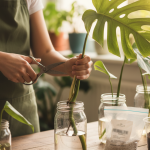




Whether you’re a seasoned plant parent or a newbie just learning the ropes, one task that can feel intimidating is repotting your houseplants. The thought of disturbing roots, making a mess, or accidentally harming your leafy friend is enough to make many people procrastinate this essential task.
But here’s the truth: repotting doesn’t have to be stressful. In fact, once you understand the why, when, and how, it can become a rewarding and even therapeutic part of your plant care routine.
Let’s walk through everything you need to know to repot your houseplants with confidence and zero stress.
🌱 Why Do Houseplants Need Repotting?
Contrary to what the term suggests, “repotting” doesn’t always mean moving your plant to a bigger pot. Sometimes, it simply means refreshing the soil or giving roots more room to breathe.
Main Reasons to Repot:
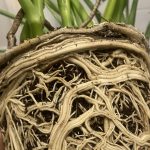
- Root Bound: Roots are circling the bottom or poking out of drainage holes.
- Depleted Soil: Old soil loses nutrients and structure over time.
- Growth Spurts: The plant has outgrown its current pot.
- Pest or Fungus Issues: New soil helps remove lingering pests or mold.
- Toppling Over: Tall plants need better balance or weight distribution.
📅 When Is the Best Time to Repot?
Spring and early summer are ideal because most houseplants are entering their active growing phase. Avoid repotting during dormancy (usually winter), unless it’s an emergency (e.g., root rot or infestation).
Signs Your Plant Is Ready:
- Water runs right through the pot.
- Soil dries out too quickly.
- Leaves are yellowing or dropping.
- Plant looks “top-heavy” or unstable.
- Roots are poking out of drainage holes.
🛠️ What You’ll Need
Before you get your hands dirty, gather your tools:
Repotting Checklist:
- 🌿 Your plant
- 🪴 A new pot (1–2 inches larger, with drainage holes)
- 🌱 Fresh potting mix (based on plant type)
- ✂️ Clean scissors or pruning shears
- 🧤 Gardening gloves (optional)
- 🥄 Trowel or spoon
- 📦 Tarp, newspaper, or large tray (to contain the mess)
- 💧 Watering can
🪴 How to Choose the Right Pot
The pot you choose affects the health of your plant more than you think.
Key Tips:
- Size: 1–2 inches larger in diameter than the current pot.
- Drainage: Always choose a pot with drainage holes.
- Material: Terracotta breathes better; plastic retains moisture longer.
Aesthetics vs. Function
If you’re using a decorative pot without holes, keep the plant in a nursery pot and place it inside the cachepot. This keeps roots from sitting in stagnant water.
📖 Step-by-Step Guide to Repotting (Without the Stress)
Let’s walk through the process slowly and calmly—no panic necessary!
1. Prep Your Workspace
Lay out your tarp or newspaper. Make sure you have everything ready so you’re not scrambling mid-process.
2. Gently Remove the Plant
Hold the base of the plant near the soil, tilt the pot, and gently ease it out. If it’s stuck:
- Squeeze the pot sides (if flexible)
- Tap the bottom
- Run a butter knife along the inside rim
3. Loosen the Roots
Inspect the roots. If they’re circling or bunched tightly, gently tease them apart. Trim any dead, mushy, or black roots.
Tip: If roots are severely root-bound, make small vertical cuts along the root ball to encourage new growth.
4. Remove Old Soil
Shake off excess soil—but don’t worry about getting it perfectly clean. Leave some of the old soil to reduce transplant shock.
5. Add Fresh Soil to the New Pot
Create a base layer of fresh potting mix. Make a small mound in the middle.
6. Position the Plant
Place the plant so the base sits just below the rim. Fill in around the sides with soil, gently patting to eliminate air pockets. Avoid compacting it too much.
7. Water Thoroughly
Give the plant a good drink until water flows out the bottom. This helps settle the soil and hydrate the roots.
✅ Post-Repotting Care
Don’t expect your plant to throw a party immediately. Most experience a little transplant shock.
What to Do:
- Keep the plant out of direct sun for a few days.
- Hold off on fertilizing for 2–4 weeks.
- Monitor watering—new soil might retain moisture differently.
Bonus Tip: A light mist or humidity boost can help reduce transplant stress for tropical plants.
🧪 Repotting Special Plant Types
Some plants have unique repotting needs:
Succulents & Cacti
- Use a gritty, well-draining soil.
- Let the plant dry out for a day or two before and after repotting.
Orchids
- Only repot when roots spill over the pot.
- Use orchid-specific bark mix, not regular potting soil.
Fiddle Leaf Fig
- Be gentle—these plants don’t like root disturbance.
- Use a well-aerated mix and avoid overwatering.
🙅♀️ Common Repotting Mistakes (and How to Avoid Them)
- Choosing a pot that’s too big
→ Leads to overwatering and root rot. - Skipping drainage
→ Stagnant water = fungal growth and unhappy roots. - Pulling the plant too hard
→ Can snap stems or damage roots. Be patient and gentle. - Not adjusting your watering schedule
→ Fresh soil holds water differently; check moisture more often initially.
💚 Final Thoughts: You’ve Got This!
Repotting your houseplants doesn’t have to be stressful or messy. With a little preparation and the right approach, it can be a calm, satisfying ritual that keeps your indoor jungle lush and thriving.
So next time you see a root peeking out or your pot starts looking like a tight shoe, don’t panic—repot with confidence, and enjoy watching your plant flourish in its fresh new home.


