


Watering is one of the simplest and most vital parts of plant care—but also one of the easiest to get wrong. Too much, and you risk root rot. Too little, and your leafy friends wilt and die. So, how do you strike the perfect balance?
This guide will walk you through everything you need to know to create a watering schedule that keeps your indoor jungle thriving without turning your life into a full-time plant babysitting job.
Why Proper Watering Matters
Indoor plants rely on you to meet all their water needs. Unlike outdoor plants that can benefit from rainfall and richer soil, indoor plants sit in confined pots with limited resources. Water not only hydrates them but also helps deliver nutrients from the soil.
When done right, watering supports:
- Healthy growth and development
- Strong root systems
- Vibrant leaves and blooms
- Resistance to disease and pests
When done wrong, it can lead to:
- Root rot
- Wilting or yellowing leaves
- Moldy soil
- Leaf drop or plant death
Step 1: Know Your Plant’s Needs
Different plants have different water requirements. Succulents, for example, are desert natives and prefer dry conditions. Ferns, on the other hand, love moisture and humidity.
Common Indoor Plant Types and Their Water Preferences
| Plant Type | Watering Needs | Example Plants |
|---|---|---|
| Succulents/Cacti | Infrequent, thorough watering | Aloe, Jade Plant, Zebra Cactus |
| Tropical Plants | Consistent moisture | Monstera, Peace Lily, Calathea |
| Drought-Tolerant | Water when soil is fully dry | ZZ Plant, Snake Plant |
| Moisture-Lovers | Soil should remain slightly damp | Ferns, Spider Plant |
Pro Tip: Look up the native environment of your plant. This often gives you the best clues to how much water it needs.
Step 2: Understand the Factors That Affect Watering Frequency
Several variables influence how often you should water your indoor plants:
1. Season
- In summer, most plants grow actively and need more water.
- In winter, growth slows and water needs drop significantly.
2. Light Exposure
- Plants in bright light photosynthesize more and often need more water.
- Low-light plants or those tucked in darker corners drink less.
3. Humidity
- Dry air (common in winter or air-conditioned rooms) can cause soil to dry faster.
- High humidity slows evaporation and keeps soil moist longer.
4. Pot Size and Material
- Small pots dry out faster than large ones.
- Terra cotta pots are porous and allow moisture to escape quickly.
- Plastic or glazed ceramic pots retain moisture longer.
5. Soil Type
- Well-draining soil dries quicker.
- Heavy, compact soil retains water and can suffocate roots if overwatered.
Step 3: The Golden Rule – Check Before You Water
Never water on a strict calendar schedule without checking the soil. Why?
Because conditions can change. Your plant may not need water every Tuesday—it might need it sooner, or not at all.
How to Check Soil Moisture
- Finger Test: Stick your finger about 2–3 cm (1 inch) into the soil. If it feels dry, it’s time to water. If it’s still moist, wait.
- Chopstick or Skewer Test: Insert a wooden skewer deep into the soil. If it comes out clean and dry, your plant is thirsty.
- Moisture Meter: These inexpensive tools measure soil moisture accurately, especially useful for beginners or larger plant collections.
Step 4: Develop a Personalized Watering Schedule
Now that you understand your plant’s needs and conditions, it’s time to craft a schedule.
Here’s how to build it:
1. Group Plants by Water Needs
Organize your plants into categories:
- High Needs: Daily or every 2-3 days (e.g., ferns)
- Moderate Needs: Once a week (e.g., pothos, peace lilies)
- Low Needs: Every 2-3 weeks (e.g., ZZ plants, succulents)
2. Use a Tracking System
Use a journal, spreadsheet, or plant care app (like Greg, Planta, or Blossom) to log:
- Last watering date
- Soil check result
- Environmental changes (e.g., moved to a sunnier spot)
3. Set Reminders, Not Rules
Reminders help you remember to check your plants, not automatically water them. Your eyes and fingers are still the best tools.
Step 5: Master the Art of Watering
It’s not just about when you water—it’s about how.
How to Water Properly
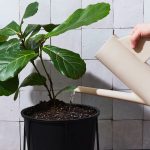
- Water deeply until it flows out the bottom drainage hole.
- Use room temperature water. Cold water can shock the roots.
- Empty saucers or trays underneath to avoid soggy roots.
Avoid:
- Light sprinkling (it doesn’t reach roots)
- Letting the pot sit in standing water
- Watering on a fixed schedule without checking soil
Troubleshooting: Common Watering Mistakes
1. Overwatering
Signs: Yellowing leaves, mushy stems, moldy soil
Fix: Let the soil dry completely, improve drainage, repot if roots are rotting.
2. Underwatering
Signs: Dry, crispy leaves, drooping stems
Fix: Increase watering frequency, soak dry soil to rehydrate it.
3. Watering from Above Only
This can leave roots dry. Occasionally bottom-water your plants: place the pot in a tray of water for 15–30 minutes so roots can drink deeply.
Bonus: Sample Watering Schedule for Common Indoor Plants
| Plant | Frequency | Check Soil Before Watering? |
|---|---|---|
| Snake Plant | Every 2–3 weeks | ✔️ Yes |
| Monstera Deliciosa | Weekly | ✔️ Yes |
| ZZ Plant | Every 2–3 weeks | ✔️ Yes |
| Spider Plant | Weekly | ✔️ Yes |
| Pothos | 7–10 days | ✔️ Yes |
| Peace Lily | 5–7 days | ✔️ Yes |
| Aloe Vera | 2–4 weeks | ✔️ Yes |
Final Thoughts
Creating the perfect watering schedule for your indoor plants is less about strict timing and more about learning to observe. With a bit of consistency and attention, you’ll start to recognize the signs your plants give you.
Remember:
- Learn your plant’s natural habits.
- Observe environmental changes.
- Check the soil before every watering.
Your watering routine doesn’t have to be complex. By tailoring your approach, you can ensure happy, healthy plants without the guesswork.


